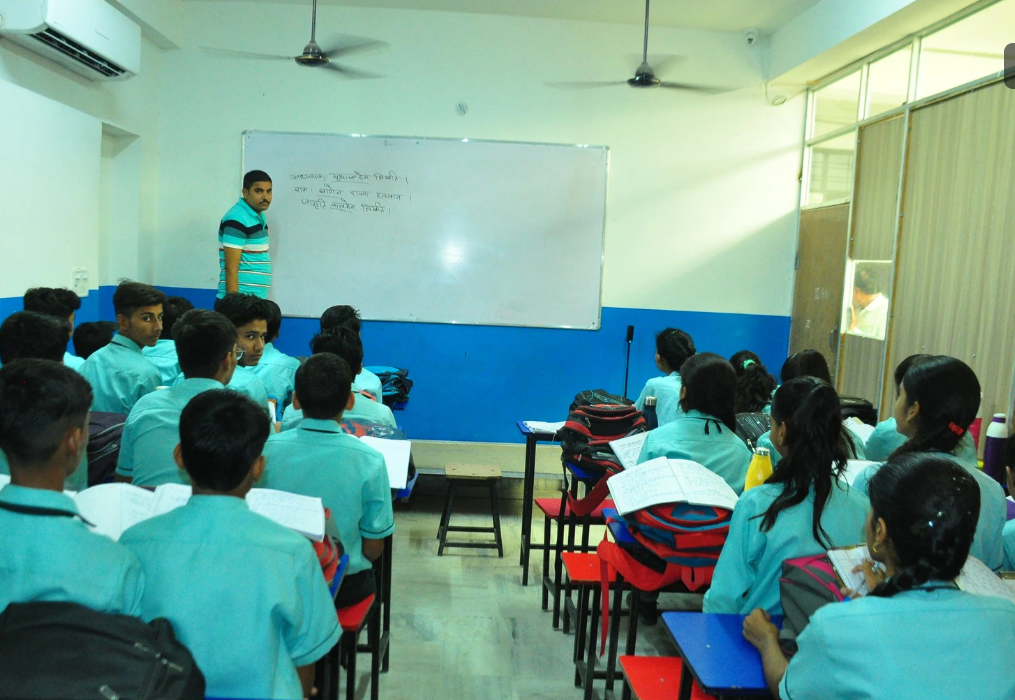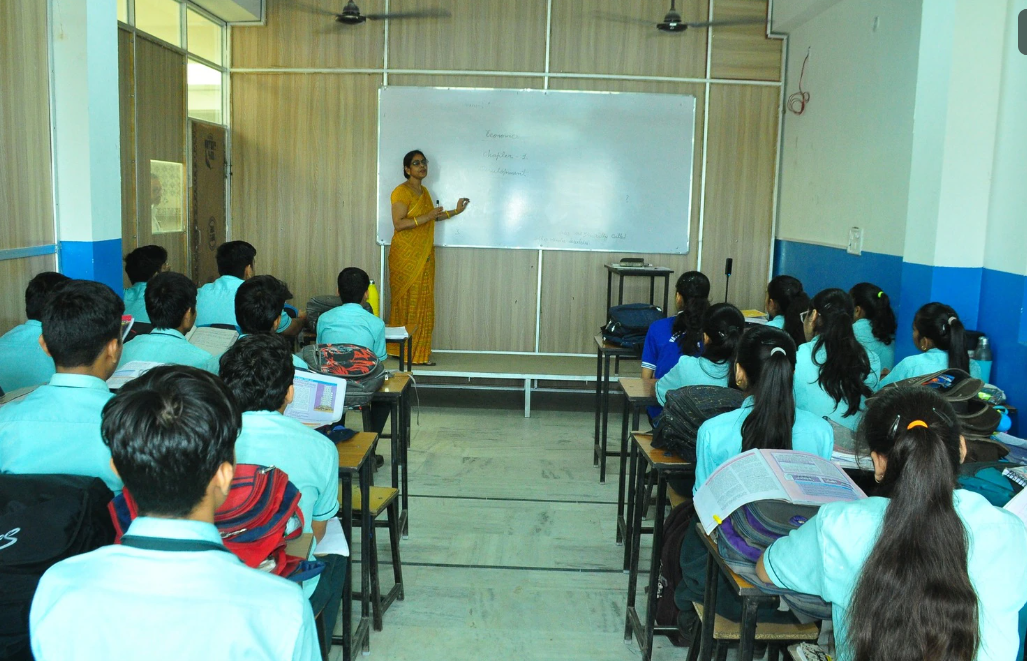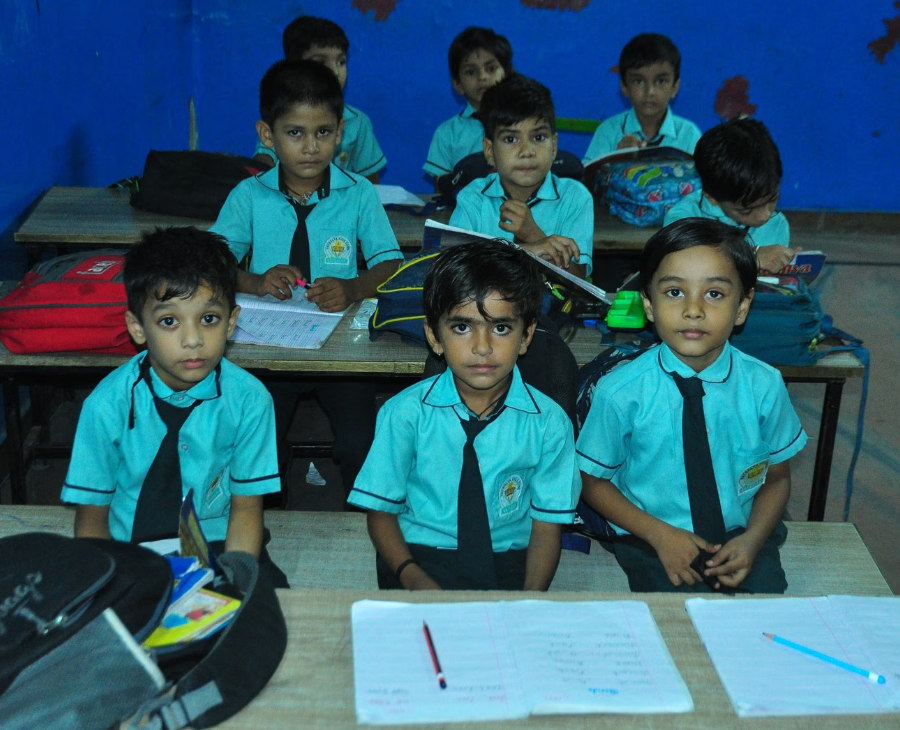
Early education is one of the cornerstones of the future development of a child. It is well known that the early years of life are the most crucial, as far as brain development, emotional growth and learning capacity are concerned. This is why the significance of early education is one of the critical issues discussed by parents, educators, and experts in child development. Early childhood education offers children the instruments to grow, explore and prosper through meaningful and well-organized experiences.
Understanding the Role of Early Education
Child development is a process that happens very fast between the ages of birth and age five; the brain establishes linkages at an unbelievable rate. This makes early learning not only very helpful but also very necessary. In these initial years, children are taught how to communicate, express themselves and make sense of the surrounding world. By sending a child to early years education, they will have exposure to activities that would arouse their curiosity, creativity, and cognitive capabilities.
The effectiveness of early education is overtly manifested through academic performance, confidence and social behavior. When children are exposed to good early education, their life skills are more developed and consistent in their learning as they advance to a higher grade.
Why Early Childhood Education Matters
1. Builds Strong Cognitive Skills
Among the greatest advantages of early childhood education is the development of cognitive skills. The children develop their thinking and analytical skills through group work, problem-solving activities and interactive learning. Early learning is also very important at this stage since it lays a foundation on which reading, writing, counting, and reasoning can be achieved.
The early childhood education structure enables children to explore, ask questions, and make sense of the new information. These are the experiences that are directly related to healthy early childhood development.
2. Supports Emotional and Social Growth
In the initial years, children are taught how to communicate with others, share toys, friendship and emotions. This is one of the main factors of child growth and development. Early education helps children to have empathy, patience, teamwork, and self-control through a supportive and engaging environment.
Knowledge of the importance of early education will also imply knowledge of the part played by early education in the formulation of emotionally strong individuals. Positive social interactions that children are exposed to at a tender age make them confident, expressive, and emotionally balanced people.
3. Preschool Education Benefits
The benefits of preschool education are enormous and go much further than the educational sphere. Preschool offers:
- Early communication and language development.
- More attention and hearing abilities.
- Increased creativity and imagination.
- Fine and gross motor developments.
- Preparedness for school organization.
How Early Education Shapes a Child's Future
One of the key reasons why early education is significant is that it has a long-term effect on individual academic or personal achievements. Knowledge of the influence of early education on the future of a child assists the parents in investing in the appropriate learning environment.
- Those children who are exposed to good early learning experiences grow:
- There was great eagerness to learn.
- Improved problem-solving procedures.
- Higher adaptability
- Increased confidence
- More strict discipline and routine.
These aspects bring a great influence of early education on success, making children better equipped in life and school challenges.
The Power of Foundational Learning
Basic education is significant during early childhood. It has fundamental skills, which include:
- Recognizing numbers
- Learning how to read and write.
- Learning shapes and colours
- Developing vocabulary
- Improving the narration and listening abilities.
Good foundation learning will make sure that the children get the foundation that they require to succeed in school. Devoid of this support at a young age, children can be challenged in meeting academic expectations once they get old.
Child Growth and Development Through Early Learning
The environment that the children are exposed to early in childhood will influence their growth and development. An exciting learning environment will enable the children to pursue their interests and acquire the necessary skills. Drawing, singing, telling stories, building blocks, and outdoor play are all those activities that lead to the development of a child into a whole person.
As children are occupied with meaningful early learning, they develop the necessary neural networks. These routes not only favor academic abilities but also enhance social intelligence, creativity and emotional resilience.
Importance of Early Years Education for Lifelong Success
Early education is of great importance, even at the adult stage. Surveys have always revealed that children who undergo good early childhood education:
- Perform better in school
- Be more attentive and well-behaved.
- Acquire better communication skills.
- Develop trust and management skills.
- Demonstrate greater emotional intelligence.
The significant influence of early education takes effect even during adulthood, wherein people tend to excel in decision-making and career lives and have better relationships in life.
Key Benefits of Early Childhood Education Every Parent Should Know
1. Enhances Academic Readiness
Children who have high early childhood development are better placed in school. They are able to obey instructions, have a higher sitting capacity and learn simple academic concepts—abilities acquired through regular early education.
2. Strengthens Emotional Health
Early learning of the ability to control emotions results in greater emotional well-being later on. This is among the greatest advantages of early childhood education.
3. Encourages Social Behaviour
Children are taught to share, collaborate and communicate, which makes them socially flexible and assertive children.
4. Develops Physical Strength
Running, jumping, drawing, and playing are preschool activities that are used to develop physical abilities and motor skills. All these advantages underscore the need to provide early education to all children, despite their background and learning style.
Conclusion
To summarize, early education, early childhood education, and regular early learning build the solid foundation any child will require to attain success throughout his or her lifespan. Early education is significant because of the high rates of cognitive, emotional, social, and physical development that occur during the early years.
The awareness of how early education influences the future of a child can empower parents to make constructive decisions that contribute to a child's development and general growth and development. As the benefits of preschool education cannot be underestimated, and the influence of early school education on future success and prosperity is always significant, early years education is one of the most useful things that a parent could do to provide contemporary children with a successful, prosperous, and self-confident future.